Natural Wellness for Men After 40
Exploring historical practices, botanical knowledge, and lifestyle principles from Alpine traditions
Educational content only. No promises of outcomes.
Exploring historical practices, botanical knowledge, and lifestyle principles from Alpine traditions
Educational content only. No promises of outcomes.
As men enter their mature years, the body undergoes natural shifts in energy patterns and daily resilience. This is a universal aspect of aging that has been observed across cultures and generations. Understanding these natural transitions—rather than viewing them as deficiencies—provides a foundation for informed lifestyle choices.
Throughout history, various cultures have developed knowledge systems exploring how food, movement, rest, and natural plant compounds support overall wellbeing in different life stages. This educational resource examines those traditions and the basic science behind why certain practices have persisted.
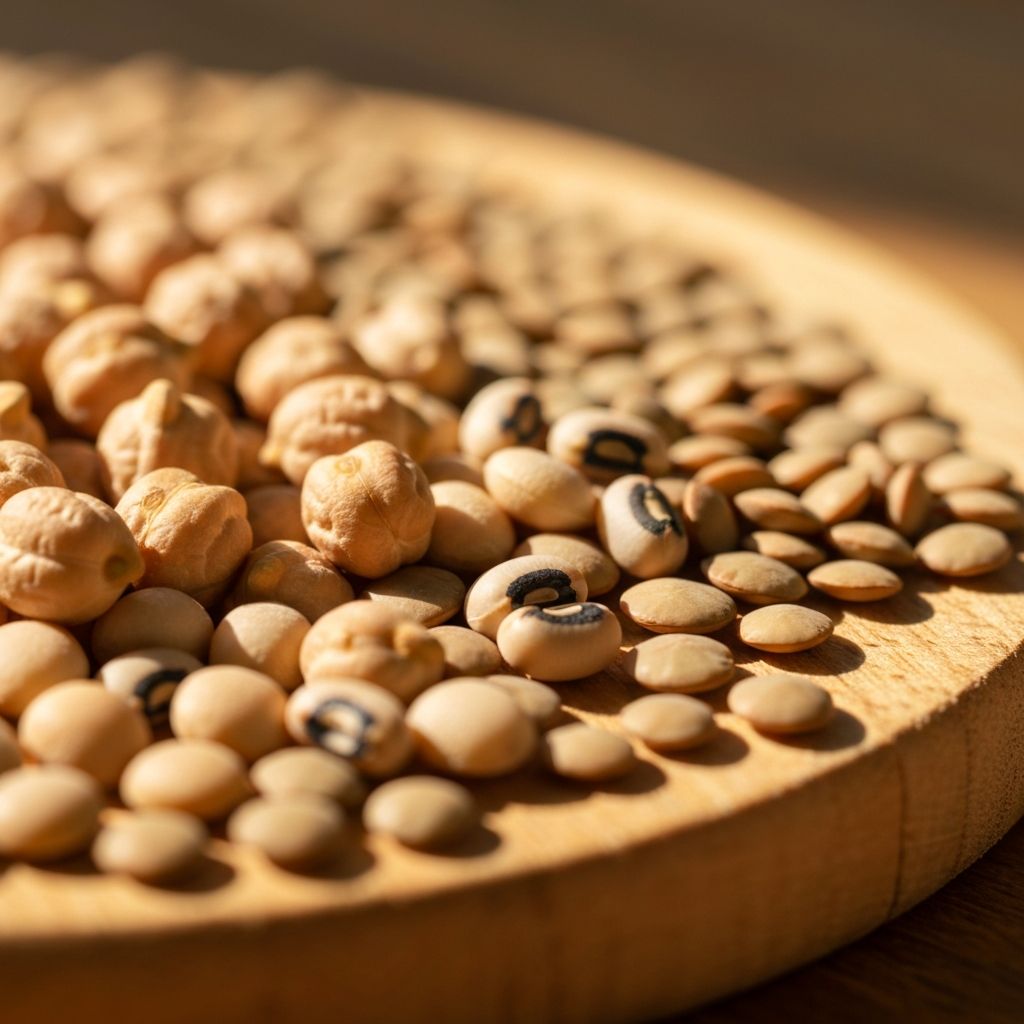
Found in legumes, leafy greens, and seeds. Plays a fundamental role in oxygen transport and energy production throughout the body's daily functions.
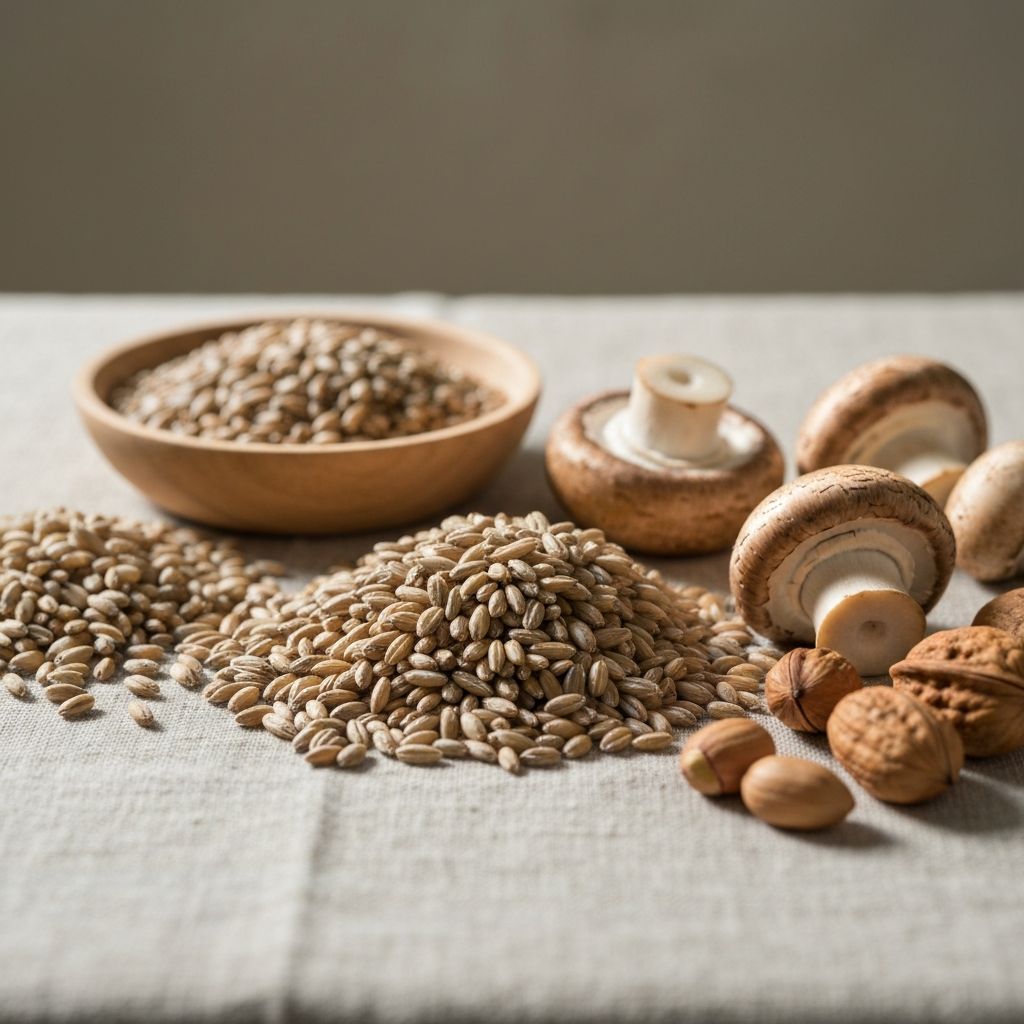
Present in nuts, whole grains, and certain mushrooms. Known for its role in supporting the body's antioxidant defense systems.
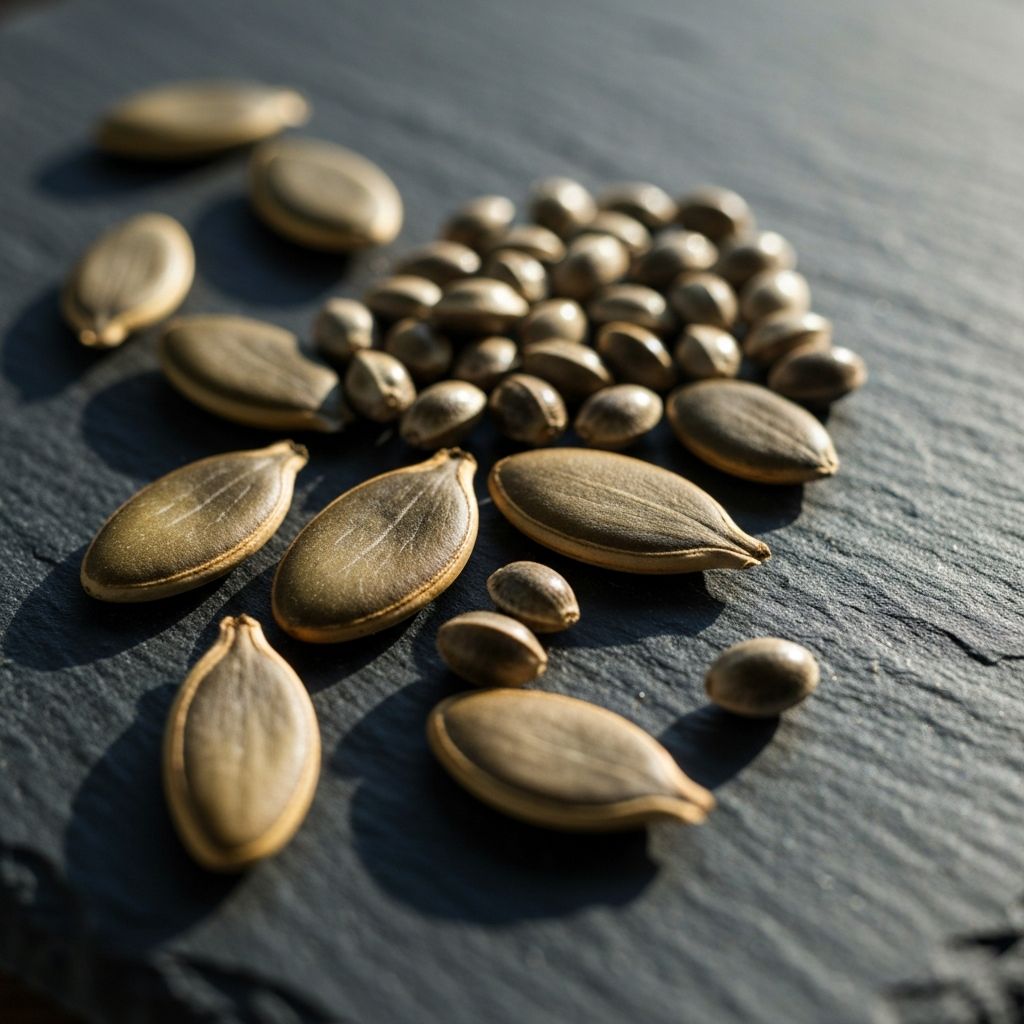
Abundant in seeds, legumes, and whole grains. Contributes to normal immune function and basic metabolic processes.
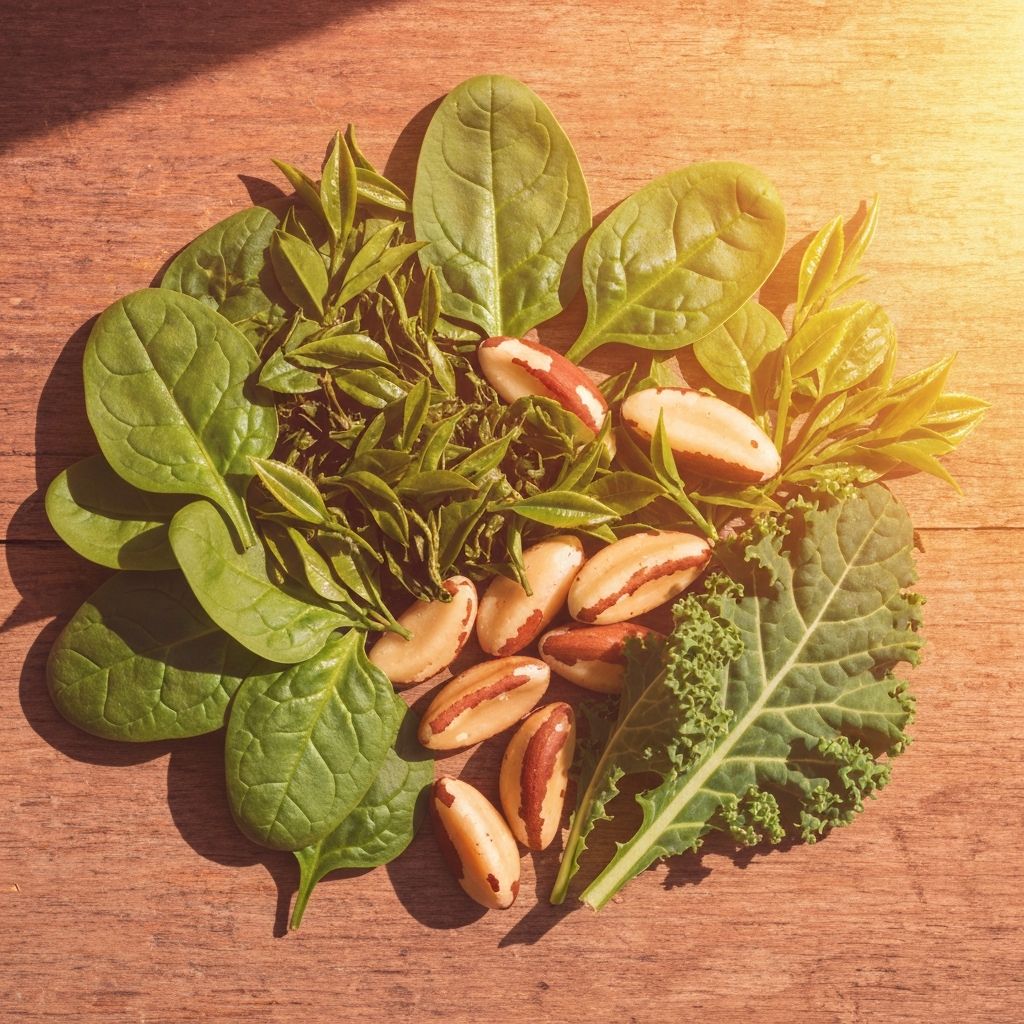
Found in nuts, tea, and leafy vegetables. Involved in bone health, metabolism, and the body's natural oxidative processes.
For centuries, Alpine communities and broader European traditions have documented the use of native plants in daily wellness practices. These weren't medical interventions in the modern sense, but rather integral parts of diet and lifestyle culture.
Herbal waters, infusions, and plant-based preparations appear throughout folk records, representing accumulated practical knowledge passed down through generations. Understanding this historical context helps us appreciate why certain botanicals remain culturally significant today.
Modern scientific interest in these plants stems from this rich heritage—not the reverse. Researchers examine traditional uses to understand potential mechanisms and validate historical observations.
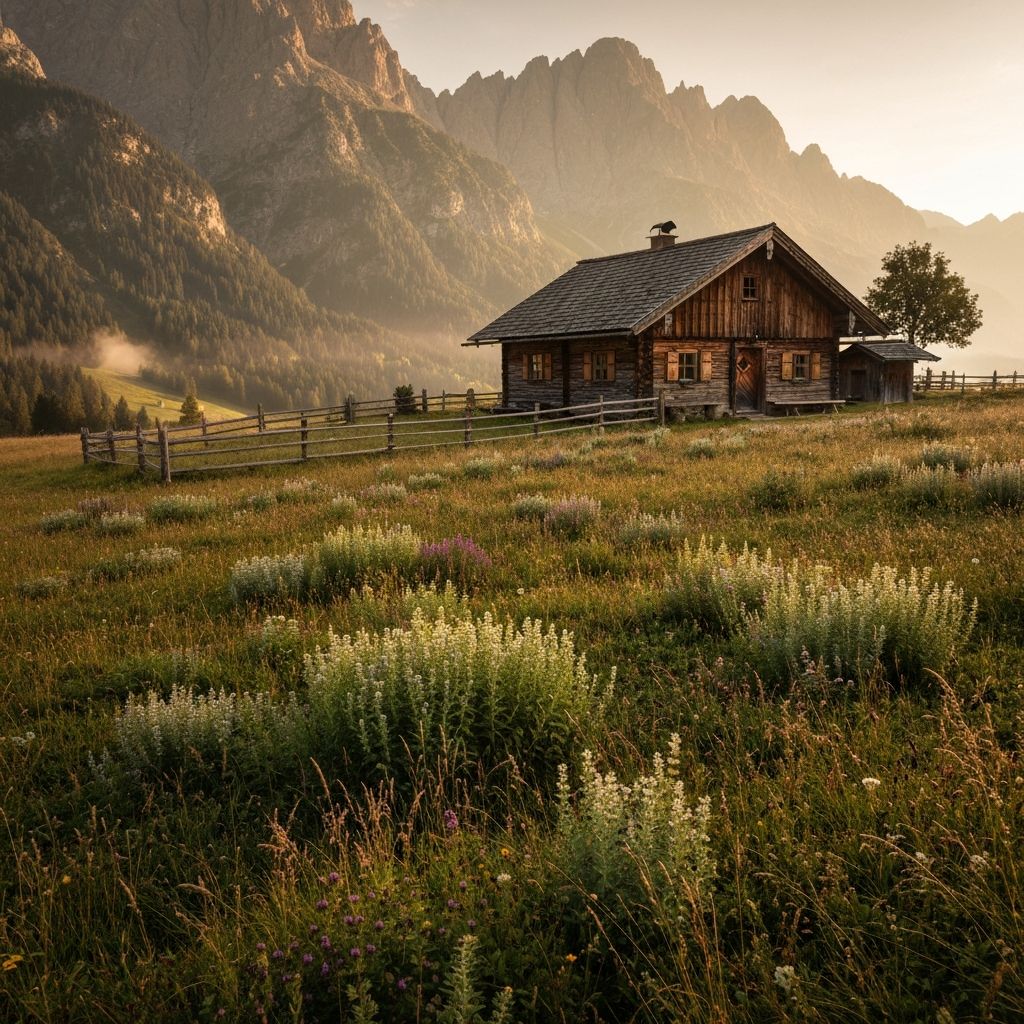
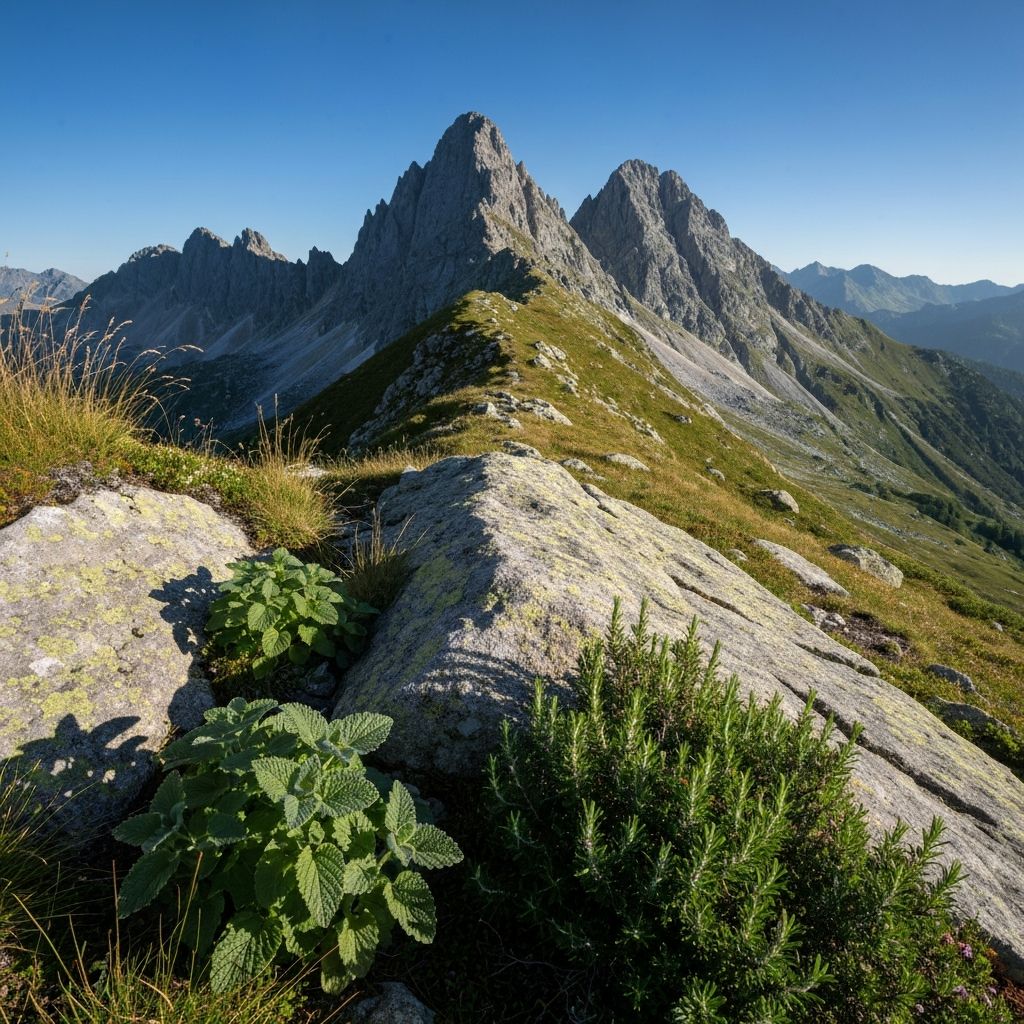
The rocky terrain and unique climate of the Alps naturally selected for hardy, resilient plant species. Communities living in these regions developed sophisticated knowledge about which plants grew when, which had practical applications, and how to prepare them.
This accumulated experience represents one of Europe's richest repositories of botanical understanding. Alpine herbalism, like similar traditions worldwide, combined observation with cultural transmission—a form of practical knowledge that predates modern scientific classification.
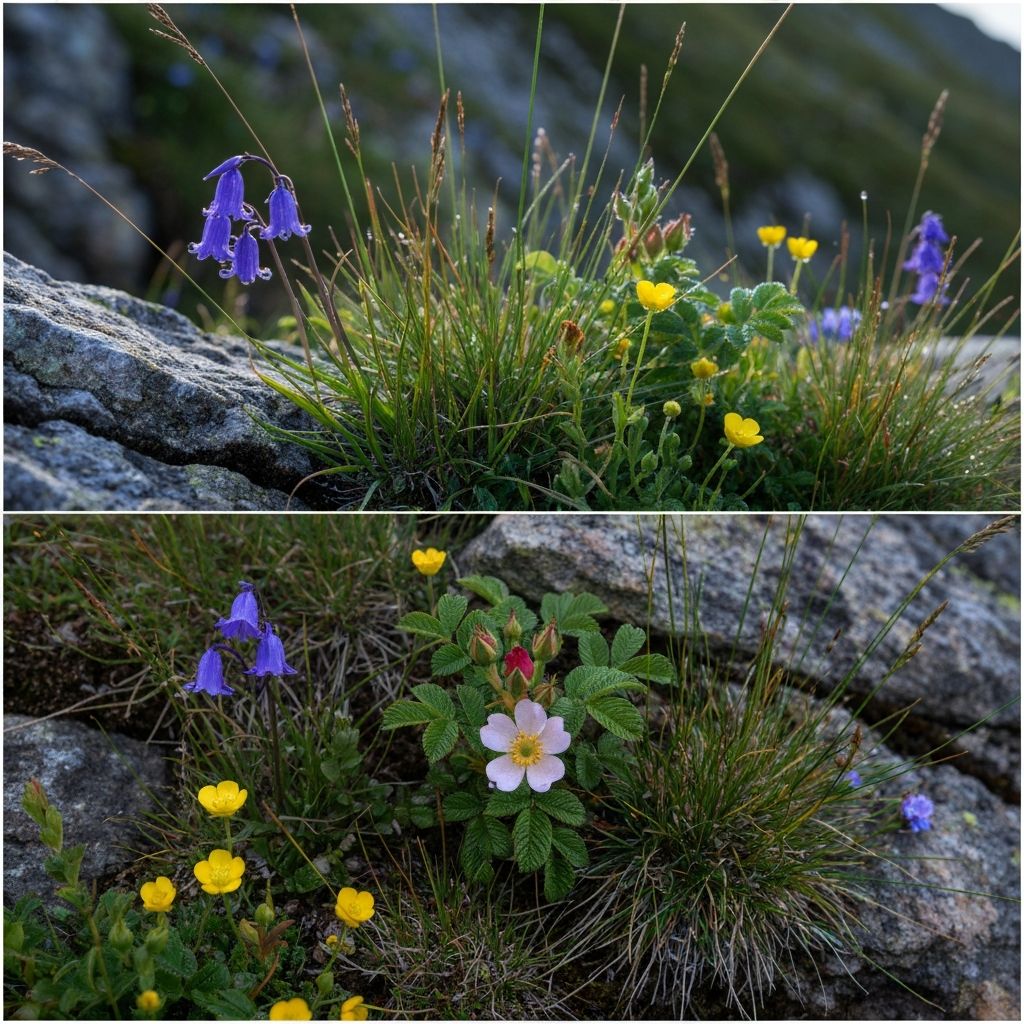
Every living organism operates on daily biological cycles—patterns of alertness, hormone release, temperature, and digestion that follow a roughly 24-hour rhythm. In humans, this circadian system is deeply embedded and influences nearly every physiological process.
Light exposure, meal timing, physical activity, and sleep schedules all influence these natural rhythms. Understanding that the body operates on cycles—rather than in a constant state—provides a framework for appreciating why routine, consistency, and natural light exposure matter for overall wellbeing.
For mature men, maintaining circadian alignment becomes increasingly important. Sleep quality, digestive efficiency, and energy distribution throughout the day all depend on this internal timing system functioning smoothly.
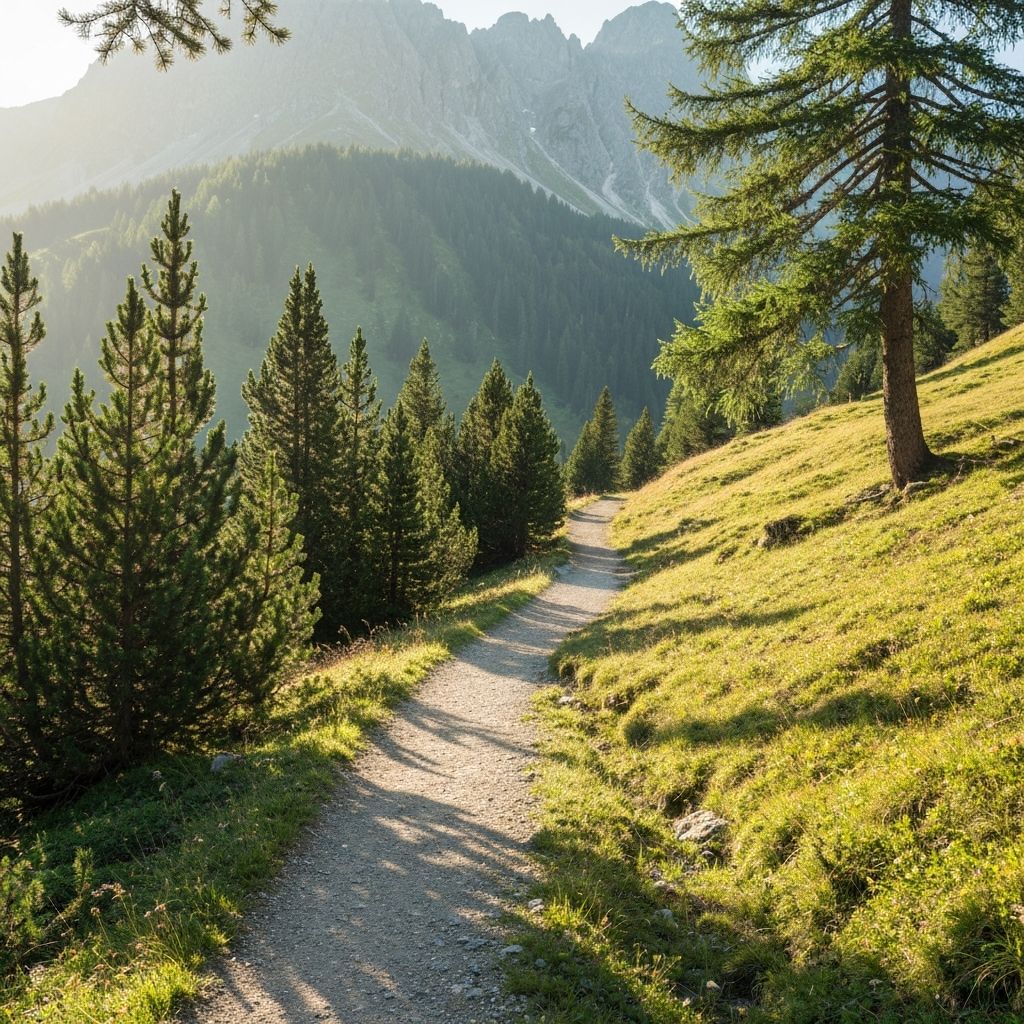
Walking and light movement in natural environments—particularly mountainous or forested areas—have been part of human wellness practices for millennia. The combination of moderate physical activity with exposure to natural scenery and fresh air engages multiple body systems simultaneously.
Alpine walking isn't intense training; it's steady, sustainable movement. The varied terrain naturally engages stabilizer muscles and provides cardiovascular stimulus without the stress of high-intensity exercise. The combination of movement, fresh air, and natural beauty creates a distinct physiological response.
Modern research validates what traditional cultures intuitively understood: regular movement in nature supports cardiovascular health, bone density, mental clarity, and overall resilience in daily life.
Plants naturally produce compounds that protect their own cells from oxidative damage—a process that occurs whenever cells generate energy. These protective substances, called antioxidants, are found throughout the plant kingdom and become part of our diet when we consume plants.

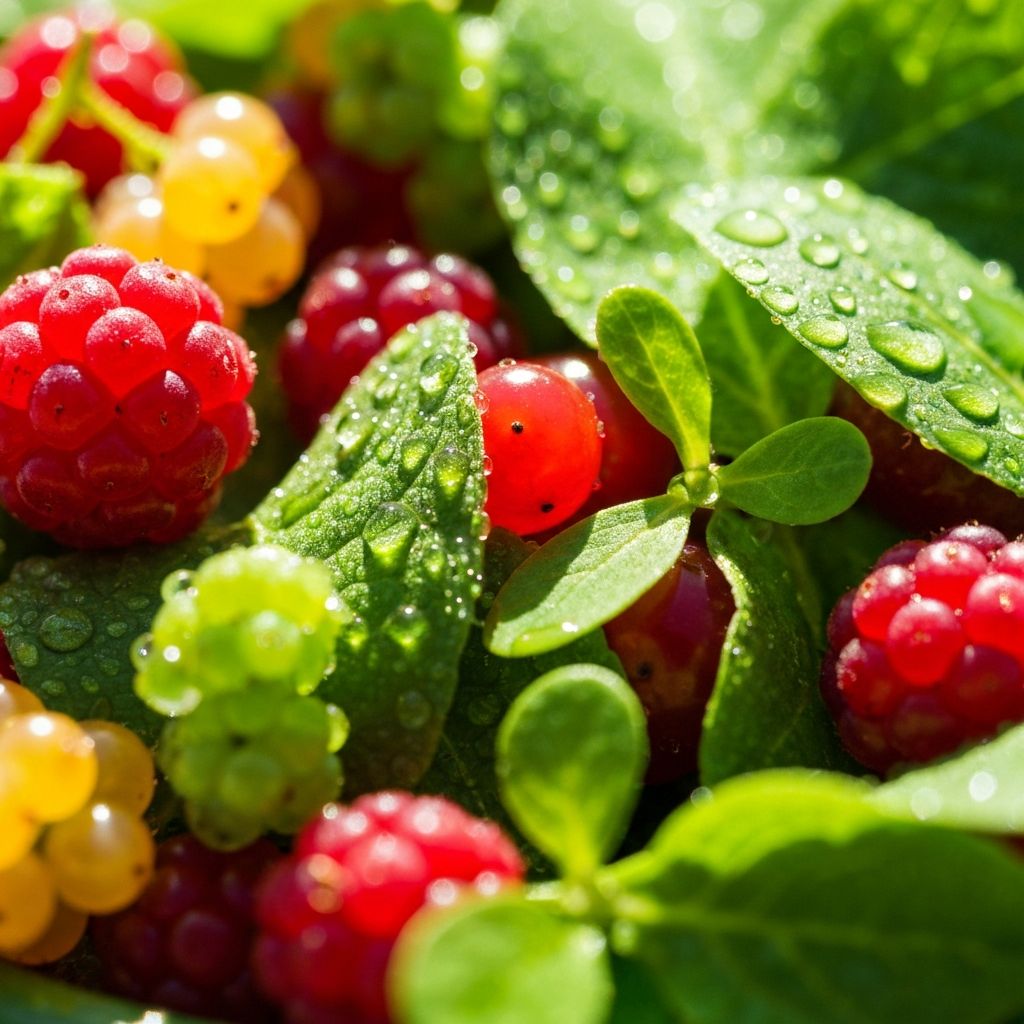
Common antioxidant families in plants include polyphenols (found in berries, tea, and red wine), flavonoids (citrus, berries, dark chocolate), and carotenoids (orange and red vegetables). These compounds are not isolated medicine—they're simply parts of the plant food we eat. The diversity of colorful plant foods naturally provides diverse antioxidant profiles.
| Factor | Traditional Alpine Diet | Modern Western Diet |
|---|---|---|
| Plant variety per week | 20-40+ distinct species | 5-8 common types |
| Whole grains | Daily staple, varied types | Often processed, limited types |
| Legumes | Regular inclusion | Occasional or absent |
| Seeds and nuts | Common in preparations | Often avoided or limited |
| Herbal beverages | Daily practice with varied plants | Limited to tea, coffee |
| Processed foods | Minimal or seasonal | Daily and majority of intake |
This table shows general historical patterns and is purely informational. Modern life circumstances are different, and dietary variety can be achieved in many ways.
Historical documentation and current research attention on certain Alpine and European plants:
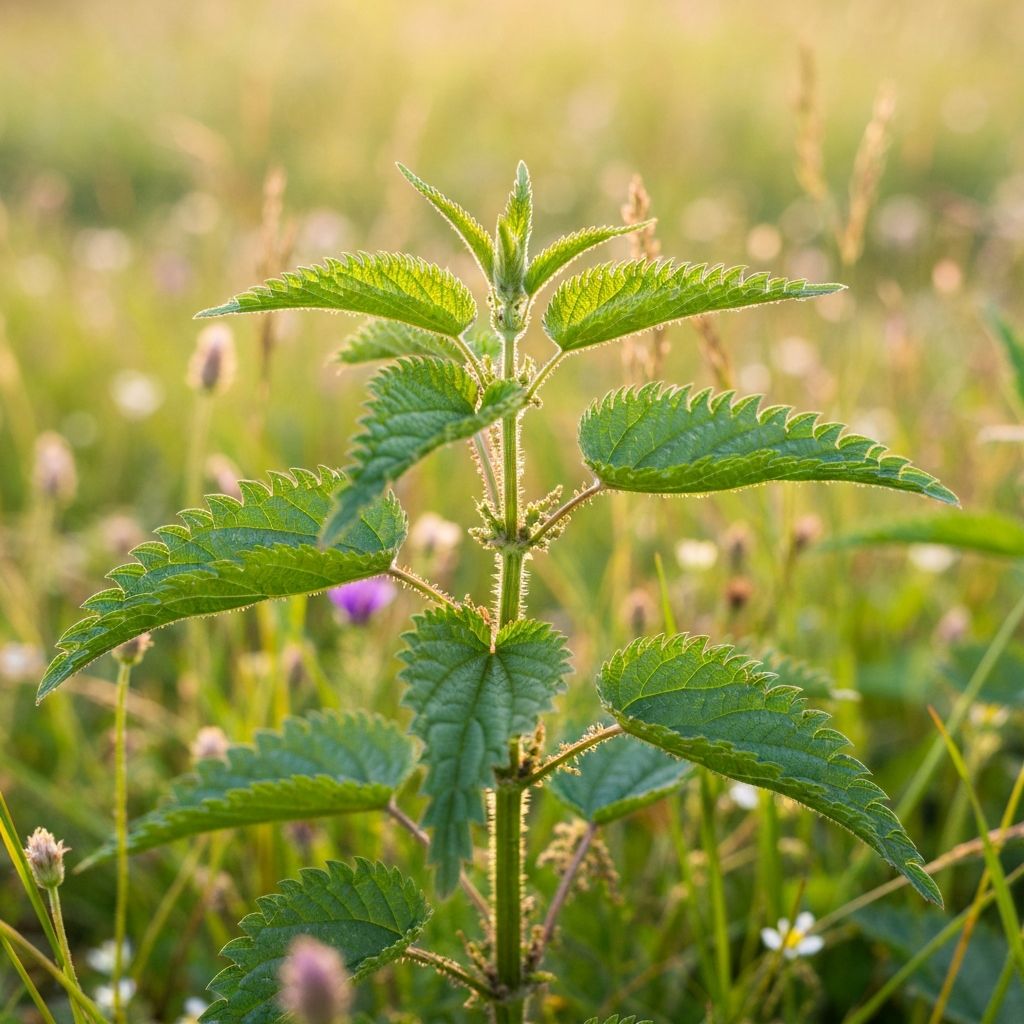
A common alpine plant rich in minerals including iron, calcium, and silica. Traditionally used in infusions throughout European cultures.
A traditional Alpine remedy component, studied for its polyphenol content. Historically used in infusions and preparations across Northern Europe.
Berry and leaf from the hawthorn tree, respected in European herbalism for centuries. Part of traditional approaches to cardiovascular wellness.
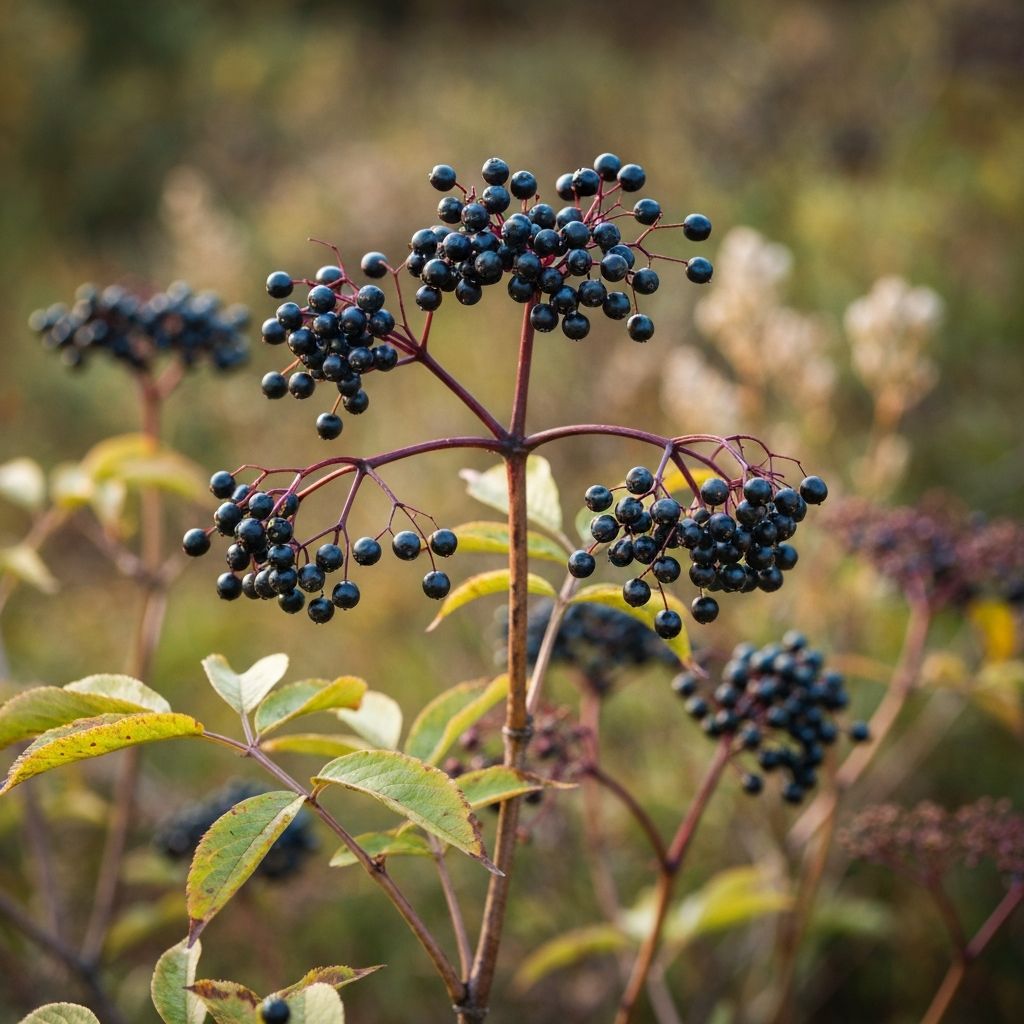
Berries from the elder plant, traditional in Alpine and broader European preparations. Researched for immune support compounds.
A global botanical with deep roots in Alpine and Asian traditions. Contains gingerols and other compounds studied for various wellness applications.
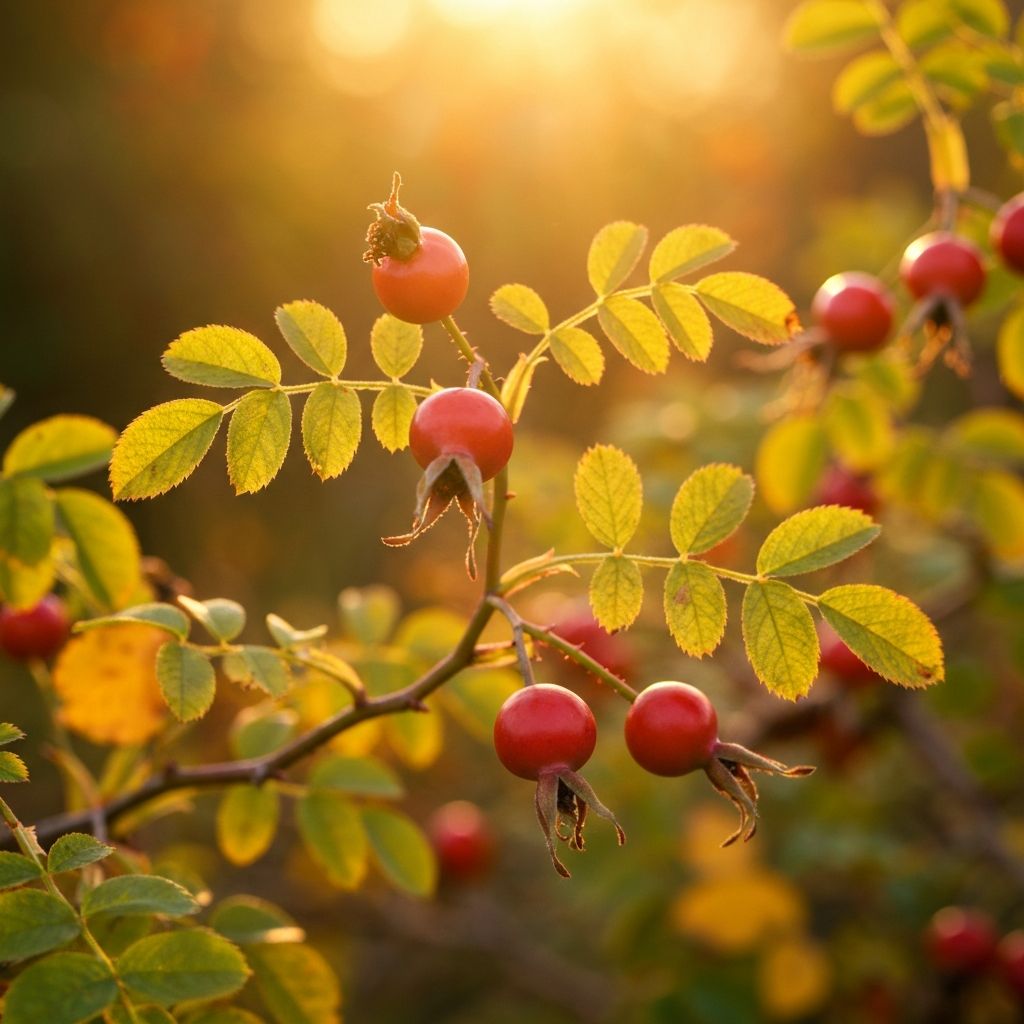
Fruit of the wild rose, abundant in alpine regions. Traditional source of vitamin C and other compounds in historical European practices.
These entries are informational summaries of historical uses and botanical composition. They are not medical recommendations or treatment suggestions.
Beyond plain water, traditional cultures developed rich practices around herbal infusions and plant-based beverages. Herbal waters—made by steeping leaves, flowers, or barks in hot water—have been central to daily wellness routines across Europe and particularly in Alpine regions.
These preparations serve multiple purposes: they increase fluid intake, introduce beneficial plant compounds, and create ritual around hydration. Common infusions include nettle tea (mineral-rich), pine needle tea (traditional in Alpine culture), chamomile (gentle and widely available), and hawthorn leaf and berry combinations.
The practice of preparing and consuming warm herbal beverages also supports circadian rhythm maintenance and creates natural pauses in the daily routine. This reflective, slower pace of consumption is distinct from modern beverage culture and may itself contribute to wellness.
The human body has evolved sophisticated systems to respond to stressors—both acute challenges and chronic low-level pressures. When faced with a stressor, the body mobilizes resources: heart rate increases, digestion pauses, attention sharpens, and stress hormones are released.
This is adaptive in short bursts. However, modern life often maintains a state of persistent low-level stress, which keeps these systems activated continuously. For mature men, chronic stress accumulation creates measurable impacts on sleep quality, digestive function, immune resilience, and daily energy.
Traditional approaches to stress management—through movement in nature, meditative practices, regular routines, and supportive community—work by reducing the activation of these stress response systems. Modern research confirms that consistent practice of these approaches has measurable physiological benefits.
Understanding stress adaptation also involves recognizing hormetic stress—controlled challenges (like Alpine walking or temperature exposure) that stimulate the body's adaptive capacity and ultimately increase resilience.
Alpine flora operates in strict seasonal patterns, shaped by extreme winter conditions and short growing seasons. This seasonal rhythm profoundly influenced traditional diets and practices in mountain communities.
Spring: Fresh greens emerge—nettles, wild greens, early shoots. High in minerals and growth-stimulating compounds. Traditionally used to reset digestion after winter.
Summer: Maximum plant abundance—berries, leaves at peak potency, flowers in full bloom. Traditional time for harvesting medicinal plants and creating concentrated preparations.
Autumn: Seeds mature, root vegetables develop, berries ripen. This season provided storage foods—seeds, legumes, root crops—for winter survival.
Winter: Dormancy period. Traditional diets relied on stored foods, dried herbs, and root vegetables. Herbal teas and preserved preparations became central to daily practice.
Modern life has largely disconnected us from these seasonal patterns. Eating the same foods year-round, rather than following natural cycles, may represent a shift from how human bodies evolved to process nutrition across seasons.
This resource provides foundational knowledge on natural elements, historical practices, and lifestyle principles supporting men's wellness after 40.
Continue exploring through our dedicated sections on men's lifestyle factors, frequently asked questions, and about this project.